Are you forcing a chemical solution on a mechanical failure of your own anatomy? We’ve spent decades using ‘active’ chemical intervention to mask heartburn, but 2026 research shows that the ‘passive’ power of your diaphragm is the true key. Strengthening the muscular floor that supports your stomach allows you to mechanically prevent reflux before it even starts. It’s time to stop medicating and start breathing.
The human body is an incredible machine designed with built-in fail-safes. Heartburn is often less about having “too much acid” and more about a valve that has lost its tension. When we rely on antacids, we treat the symptom while the underlying muscle continues to wither. Taking control of your breathing restores the natural barrier between your stomach and your throat.
This guide explores how a return to fundamental physiology can outperform the local pharmacy. You will learn how to retrain your core to hold the line against acid. Understanding this mechanical shift is the first step toward lasting digestive freedom and physical resilience.
Why Breathing Exercises Beat Heartburn Medication
Heartburn medication works by changing the chemistry of your stomach. Most pills either neutralize acid or signal your body to stop producing it entirely. This approach ignores the fact that stomach acid is actually necessary for digestion and nutrient absorption. Masking the burn with a pill is a temporary fix for a structural problem.
The real culprit is usually the Lower Esophageal Sphincter, or LES. This ring of muscle acts as a gatekeeper. When it is strong, it keeps acid where it belongs. When it weakens, acid leaks upward. Diaphragmatic breathing serves as a targeted workout for the muscles surrounding this gate.
Research now highlights that the diaphragm acts as an external reinforcement for the LES. Every deep, controlled breath provides a physical “pinch” that keeps the valve closed. Strengthening this area creates a permanent, internal shield. Unlike pills, breathing exercises have no side effects and cost nothing but a few minutes of your time.
Pills provide a passive experience where the patient waits for a chemical to work. Training the diaphragm is an active pursuit that builds genuine bodily autonomy. This method addresses the root cause of the failure rather than just hushing the alarm bells. You are essentially repairing the hinge on a door instead of just cleaning up the smoke from a fire.
How the Crural Diaphragm Functions as a Valve
Your diaphragm is not just one big sheet of muscle. It has a specific section called the crural diaphragm that wraps directly around the esophagus. Think of it as a muscular collar. When you breathe deeply, this collar tightens, providing a secondary layer of protection against reflux.
Most people today are “chest breathers.” They use shallow, rapid movements that barely engage the lower lungs. This habit leaves the crural diaphragm weak and underused. Over time, the lack of mechanical stimulation causes the LES to lose its tone, leading to chronic GERD symptoms.
Retraining this muscle requires intentionality. You must learn to expand your abdomen rather than your ribcage. This movement forces the crural fibers to contract and relax rhythmically. This rhythmic action tones the muscle fibers, much like lifting weights tones a bicep.
Consistent practice increases the “resting tension” of the diaphragm. Even when you are not thinking about it, a well-trained diaphragm maintains a tighter seal. This constant pressure is what prevents acid from escaping during physical exertion or while lying down. It is a biological solution to a biological problem.
Step-by-Step Diaphragmatic Training Protocol
To begin, find a quiet place where you can lie flat on your back. Place one hand on your chest and the other on your belly, just below the ribcage. This setup allows you to feel exactly where the air is going. Your goal is to keep the top hand still while the bottom hand rises.
Inhale slowly through your nose for a count of four. Focus on pushing your belly outward as if you are filling a balloon in your gut. You should feel a gentle stretching sensation in your midsection. This is the diaphragm descending and creating space.
Hold that breath for a short two-second pause. Then, exhale through pursed lips for a count of six. As you breathe out, imagine your belly button pulling back toward your spine. This controlled exhale is where the real strengthening happens for the crural fibers.
Repeat this cycle for five to ten minutes, twice a day. Morning and evening sessions are ideal for establishing a rhythm. Avoid doing this immediately after a heavy meal, as a full stomach can restrict the diaphragm’s movement. Consistency is more important than intensity when you first start.
The Measurable Benefits of Mechanical Reflux Control
One of the most immediate benefits is the reduction in “breakthrough” heartburn. Many people on medication still experience pain after eating certain foods or lying down. Strengthening the diaphragm provides an extra layer of defense that chemicals cannot offer. It creates a physical barrier that stays in place 24 hours a day.
Better digestion is another major advantage. Because you aren’t suppressing your stomach acid, your body can break down proteins and absorb minerals like B12 and magnesium more effectively. Many long-term PPI users suffer from nutrient deficiencies. Moving to a mechanical solution avoids this risk entirely.
Stress reduction is a natural byproduct of deep breathing. The vagus nerve runs through the diaphragm and is stimulated by deep, abdominal breaths. This signals your nervous system to move from “fight or flight” into “rest and digest.” A calm nervous system further reduces the production of excess acid caused by anxiety.
Long-term cost savings are also significant. The price of daily medication adds up over years and decades. Investing time in your anatomy provides a lifetime of relief without a recurring subscription to the pharmaceutical industry. It is the ultimate form of self-reliance.
Challenges and Common Pitfalls to Avoid
The biggest challenge is the “Chest Breathing Reflex.” Most of us have been conditioned to suck in our stomachs and puff out our chests for aesthetic reasons. Breaking this habit takes conscious effort. If you see your shoulders rising toward your ears, you are not engaging the diaphragm correctly.
Impatience often leads people to quit before they see results. Muscular changes do not happen overnight. It takes roughly four to six weeks of daily practice to notice a significant change in reflux frequency. Many people treat it like an aspirin and expect immediate relief, but it functions more like a gym routine.
Forgetting to breathe through the nose is another common error. Mouth breathing is shallow and tends to engage the secondary respiratory muscles in the neck. Nasal breathing naturally encourages the air to travel deeper into the lungs. Keep your mouth closed and let your nose do the work.
Avoid over-extending the belly. You want a firm, controlled expansion, not a strained one. Pushing too hard can create unnecessary tension in the lower back. The movement should feel fluid and rhythmic, like the tide coming in and out.
Limitations: When Mechanical Training Might Not Be Enough
While breathing exercises are powerful, they are not a magic wand for every situation. A hiatal hernia, where the stomach actually protrudes through the diaphragm, can complicate things. In severe cases of structural displacement, exercises may provide relief but might not fully “cure” the issue without medical intervention.
Acute esophageal damage also requires caution. If you have severe inflammation or Barrett’s Esophagus, you must work with a professional. Breathing exercises help prevent future damage, but they cannot instantly heal existing erosions in the lining of the throat. Use them as part of a broader recovery plan.
Environmental factors like smoking or heavy alcohol use can sabotage your progress. These substances chemically relax the LES, making it difficult for even a strong diaphragm to keep it closed. No amount of breathing can overcome a constant chemical signal to stay open. You must address lifestyle factors alongside your physical training.
Severe obesity creates significant intra-abdominal pressure. This pressure can sometimes overwhelm the crural diaphragm regardless of how strong it is. Weight management is often a necessary partner to diaphragmatic training for those with significant excess weight. Balance your approach by looking at the whole body.
Comparing Passive Anatomy vs. Active Medication
Understanding the difference between these two approaches helps you choose the right path for your health. One relies on external chemistry, while the other relies on internal structure.
| Feature | Chemical Intervention (PPIs/Antacids) | Mechanical Training (Diaphragm) |
|---|---|---|
| Primary Mechanism | Reduces or neutralizes stomach acid. | Strengthens the physical valve (LES). |
| Time to Effect | Immediate to 24 hours. | 4 to 8 weeks for muscle growth. |
| Side Effects | Nutrient deficiency, bone density loss. | Improved lung capacity, lower stress. |
| Long-term Cost | High (Recurring medication costs). | Zero (Self-administered). |
| Sustainability | Dependency on external supply. | Internalized, permanent skill. |
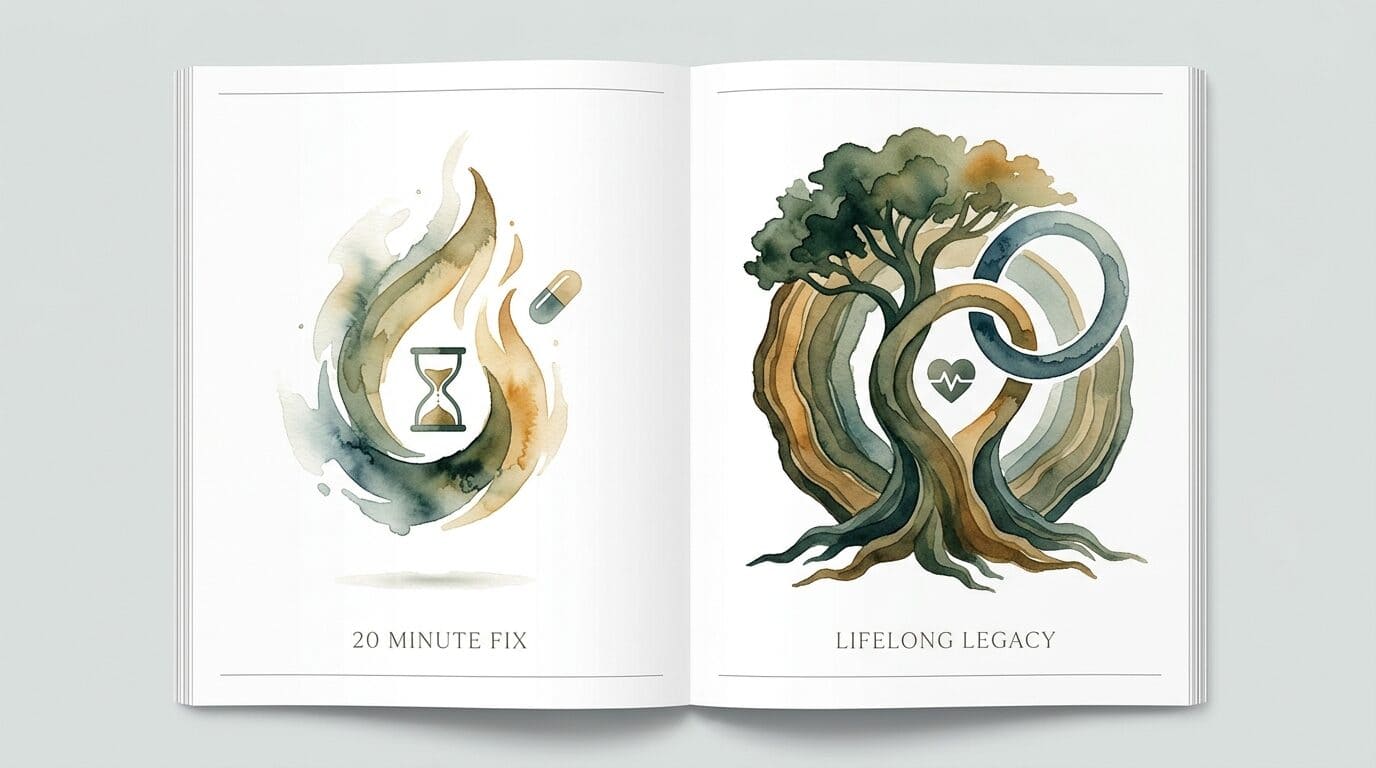
This comparison shows that while medication is faster for crisis management, breathing is the superior long-term strategy. Building your own “inner pharmacy” through movement is the most resilient choice. It empowers the individual rather than the manufacturer.
Practical Tips for Daily Success
Integrate your breathing into existing habits. A great time to practice is during your daily commute or while checking emails. You don’t always need to lie down once you have mastered the basic movement. Sitting tall in a chair and breathing into your lower back works just as well.
Use a “reminder” to check your breathing. Every time you take a sip of water or look at your phone, take one deep diaphragmatic breath. These micro-sessions throughout the day help maintain muscle tone without requiring a dedicated hour of exercise. Small, frequent inputs are better than one long, exhausting session.
Monitor your posture. Slumping forward compresses the stomach and pushes acid upward against the valve. Keeping a straight spine gives your diaphragm the room it needs to expand fully. Imagine a string pulling the top of your head toward the ceiling.
Nose breathing at night is a game-changer. Consider using mouth tape or a nasal dilator if you tend to breathe through your mouth while sleeping. Maintaining a diaphragmatic rhythm during sleep can prevent nocturnal reflux, which is often the most damaging kind. Your body should be working for you even while you rest.
Advanced Considerations: Inspiratory Muscle Training (IMT)
For those who want to take their training to the next level, Inspiratory Muscle Training (IMT) is a proven method. This involves using a small handheld device that provides resistance when you inhale. It is essentially “weightlifting for your lungs.” These devices are often used by athletes to improve performance, but they are incredibly effective for GERD.
Studies have shown that using an IMT device for 30 breaths twice a day can significantly increase LES pressure. The resistance forces the diaphragm to work harder, leading to faster hypertrophy of the muscle fibers. This is the “heavy lifting” version of the standard breathing exercise. If basic breathing isn’t giving you the results you need, adding resistance is the logical next step.
Focus on the “eccentric” phase of the breath. This is the slow release of air. Controlling the exhale under tension builds more functional strength than simply letting the air rush out. Think of it like slowly lowering a heavy weight rather than just dropping it.
Tracking your progress can be motivating. Keep a simple log of your reflux symptoms and your breathing sessions. Note the “Manometry” or pressure feel in your core. Over time, you will notice that you can handle larger meals or more “trigger” foods without discomfort because your mechanical shield is stronger.
Example Scenario: The Post-Dinner Test
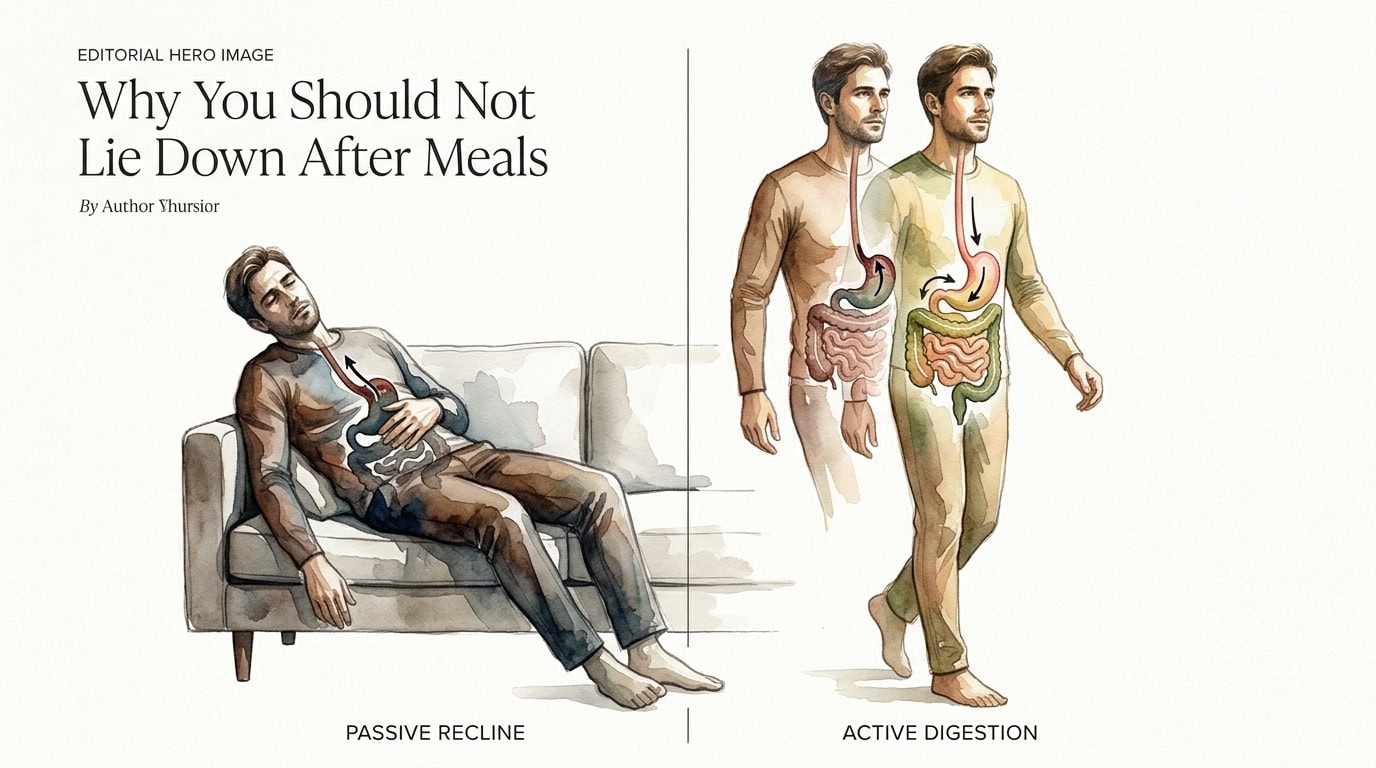
Imagine a person who typically suffers from “the burn” thirty minutes after a steak dinner. Normally, they would reach for a chewable antacid. Instead, they decide to apply mechanical intervention. They sit upright, avoid slumping on the couch, and begin a ten-minute cycle of deep belly breaths.
During each inhale, they focus on the crural diaphragm tightening around the esophagus. They feel the pressure in their midsection creating a firm seal. By the end of the ten minutes, the initial sensation of “fullness” in the throat has dissipated. The acid is staying in the stomach where the steak is being processed.
Two weeks into this routine, they notice they no longer need the pills at all. Their body has adapted. The “mechanical failure” has been addressed through consistent, low-impact exercise. This transition from chemical reliance to physical competence is a hallmark of the pioneer spirit.
This person has transformed from a passive consumer into an active participant in their own health. They have proven that the anatomy they were born with is capable of self-regulation when given the right stimulus. The “reflux” wasn’t a disease; it was a symptom of a muscle that forgot its job.
Final Thoughts
Relying on a chemical solution for a mechanical problem is a short-term strategy that leads to long-term dependency. Your body was designed with a sophisticated valve system that simply requires maintenance. By reclaiming the power of your diaphragm, you are choosing a path of resilience and self-reliance. This is not just about stopping the burn; it is about restoring the natural function of your anatomy.
The 2026 research confirms what the human body has always known: the breath is the foundation of health. Strengthening the “muscular floor” of your torso provides a passive defense that works while you eat, sleep, and move. It is a return to a simpler, more rugged form of self-care that honors the way we were built to function.
Take the first step today by simply noticing where your breath goes. Shift that air down into your belly and feel the strength of your own internal architecture. With time and grit, you can move beyond the medicine cabinet and find lasting relief through the simple, mechanical power of the breath. Experiment with these techniques and watch as your body remembers how to protect itself.