Your morning toast could be the very thing feeding the fire in your throat. We were told all bread was the enemy, but the secret lies in the fermentation. Modern quick-rise yeast creates a gas explosion in your gut that forces acid upward; ancestral sourdough predigests the gluten for you, leaving your stomach at peace.
For decades, we have been conditioned to view bread as a simple commodity. We grab a plastic-wrapped loaf from the supermarket shelf without a second thought. Yet, for many, that convenience comes at a heavy price. The bloating, the sharp rise of acid, and the persistent discomfort of GERD have turned a dietary staple into a source of dread.
Understanding why this happens requires looking back at how our ancestors prepared grain. They didn’t have packets of instant yeast or chemical dough conditioners. They had time, water, and flour. This slow, deliberate process transformed the grain into something the human body could actually handle.
This guide explores the intersection of ancient baking techniques and modern digestive health. We are going deeper than just a recipe; we are looking at how a shift in fermentation can reclaim your ability to enjoy bread without the burn.
Sourdough For Acid Reflux Relief
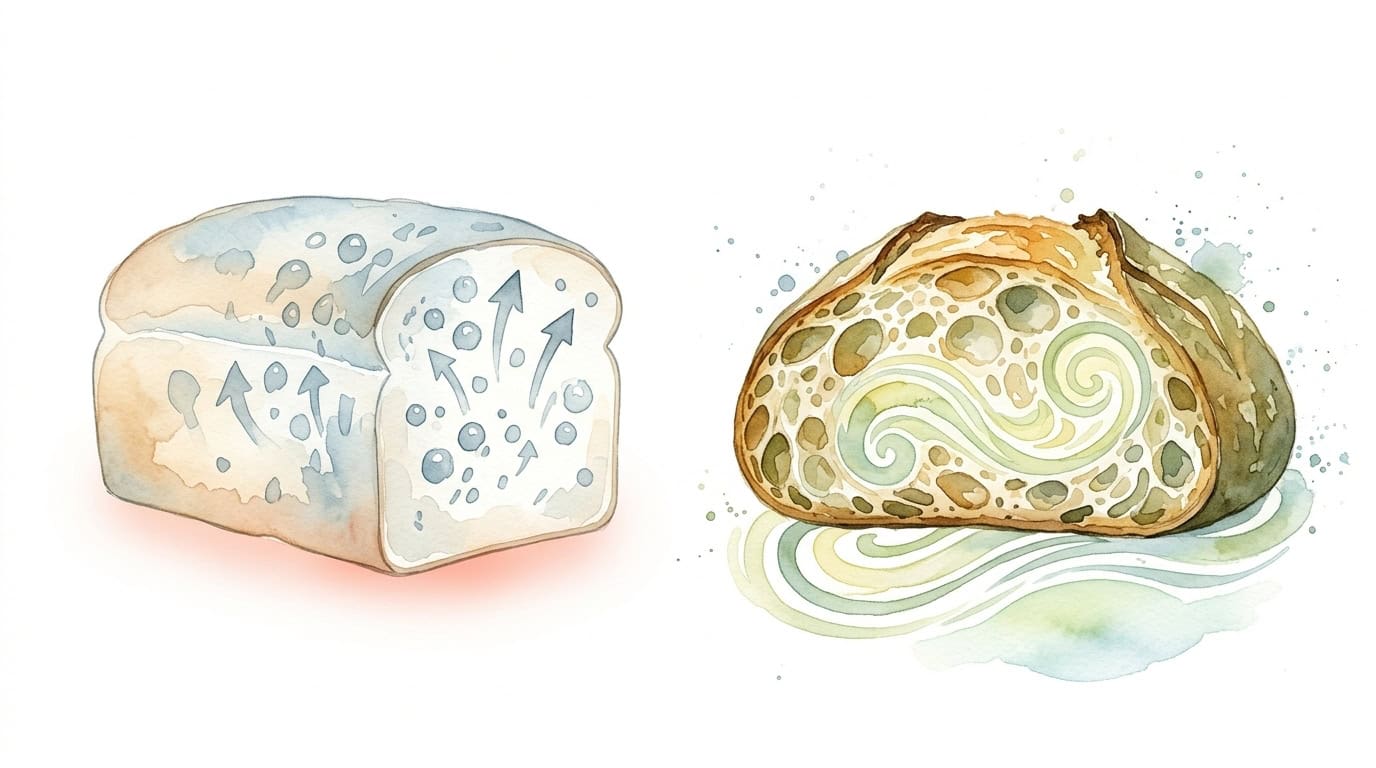
Sourdough for acid reflux relief is the practice of using a wild yeast culture and a long fermentation period to render bread more digestible. Unlike commercial bread, which relies on a single strain of highly active yeast, sourdough utilizes a complex ecosystem of wild yeast and lactic acid bacteria. This is the traditional way humans consumed wheat for millennia before industrialization prioritized speed over health.
In the context of acid reflux, the “problem” with modern bread is often twofold: the presence of unfermented gluten and the rapid production of carbon dioxide in the gut. When you eat a slice of “quick bread,” your digestive system has to do all the heavy lifting. If your digestion is already compromised, the result is excess gas and pressure.
That pressure has to go somewhere. Often, it pushes against the lower esophageal sphincter, forcing stomach acid upward. Sourdough changes this dynamic by performing much of the digestive work outside of your body. During the long rise, the bacteria break down complex starches and proteins, meaning your stomach doesn’t have to work nearly as hard.
Real-world applications of this concept are found in “Blue Zones” and traditional European communities where sourdough remains the standard. People in these regions often report significantly lower instances of chronic digestive distress compared to those on a standard Western diet. It is not just about the ingredients; it is about the biological transformation of those ingredients over time.
How the Fermentation Process Tames the Burn
The magic of sourdough lies in the symbiotic relationship between wild yeast and lactic acid bacteria, primarily from the Lactobacillus genus. When you mix flour and water and allow it to sit, these microbes begin to feed on the sugars in the flour. This is where the “predigestion” happens.
First, let’s talk about gluten. In modern quick-rise bread, gluten remains largely intact. For someone with a sensitive gut, these large protein structures are difficult to dismantle. In a sourdough starter, the lactic acid bacteria produce enzymes called proteases. These enzymes break down the gluten proteins into smaller, more manageable amino acids. By the time the loaf enters the oven, the gluten is already partially dismantled.
Second, consider the role of phytic acid. Grains contain phytic acid, an “anti-nutrient” that binds to minerals like magnesium, calcium, and zinc, preventing your body from absorbing them. This acid can also irritate the lining of the stomach. The fermentation process lowers the pH of the dough, which activates phytase, an enzyme that neutralizes phytic acid. This makes the bread more nutritious and much gentler on the stomach lining.
Finally, the gas production is different. Commercial yeast is designed for a violent, fast burst of carbon dioxide. This creates those large, airy pockets but can lead to significant bloating once consumed. Sourdough fermentation is slow and steady. The gases produced are more stable and less likely to cause the sudden internal pressure that triggers reflux.
The Benefits of Sourdough Over Commercial Bread
Choosing sourdough offers a range of measurable benefits that go beyond simple taste. If you are managing a condition like GERD or Laryngopharyngeal Reflux (LPR), these advantages are often life-changing.
Lower Glycemic Index: Because the bacteria consume a large portion of the starches in the flour, sourdough has a lower glycemic index than white or whole wheat commercial bread. This prevents the insulin spikes that can sometimes contribute to systemic inflammation and digestive sluggishness.
Improved Nutrient Bioavailability: As mentioned before, the reduction of phytic acid means you actually get the nutrients promised on the flour bag. You aren’t just eating calories; you are eating minerals that are ready for absorption. This supports overall gut health and the integrity of the esophageal lining.
Natural Preservatives: The acetic acid produced during fermentation acts as a natural mold inhibitor. This means you don’t need the cocktail of chemical preservatives found in grocery store loaves. Many of these chemicals, like calcium propionate, are known irritants for sensitive stomachs.
Gut Microbiome Support: While the beneficial bacteria are killed during the baking process, the byproducts of their fermentation—known as postbiotics—remain. These compounds help support the existing “good” bacteria in your gut, creating an environment less prone to the imbalances that cause reflux.
Challenges and Common Mistakes
The biggest challenge in using sourdough for reflux relief is ensuring that the bread is *actually* fermented. The modern food industry has caught on to the popularity of sourdough and often sells “sourdough flavored” bread. This is a trap.
Many store-bought loaves use “sourdough powder” for flavor but still rely on commercial yeast for the rise. This bread does not offer any of the digestive benefits of the real thing. It hasn’t undergone the 12 to 48-hour fermentation required to break down gluten and phytic acid. You must read labels carefully or, better yet, bake your own.
Another common mistake is under-fermenting the dough at home. Beginners often get impatient and bake the bread as soon as it looks “puffy.” For those with acid reflux, the goal isn’t just a rise; it’s the chemical transformation. If you don’t let the dough ferment long enough, especially in a cold environment like a refrigerator, you won’t achieve the necessary breakdown of proteins.
Failing to maintain a healthy starter is also a hurdle. A “weak” starter won’t have a high enough concentration of lactic acid bacteria. This results in bread that might rise but doesn’t have the acidity required to neutralize phytic acid. You need a vigorous, active starter that is fed regularly to get the therapeutic benefits.
Limitations: When Sourdough May Not Be Ideal
Sourdough is a powerful tool, but it is not a panacea. There are situations where even the most carefully fermented bread may still cause issues. It is important to recognize these boundaries to manage your health effectively.
For individuals with Celiac disease, sourdough is not a safe alternative. While the fermentation breaks down *some* gluten, it rarely eliminates it entirely. Even a small amount of residual gluten can cause severe damage to the small intestine in Celiac patients. This guide is intended for those with non-celiac gluten sensitivity or acid reflux triggered by modern baking methods.
Furthermore, if your reflux is triggered by highly acidic foods, the “sour” in sourdough could be a double-edged sword. While the lactic acid is beneficial for digestion, some people find that very tangy sourdough increases their discomfort. In these cases, adjusting the fermentation to be “younger” or using a stiff starter can reduce the acid profile while still providing the structural breakdown of the grain.
Finally, the type of flour matters. A long-fermented sourdough made with heavily processed, bleached white flour is still low in fiber and nutrients. If you have slow motility (gastroparesis), the density of certain sourdoughs might feel heavy. Always balance the fermentation process with the choice of high-quality, stone-ground grains.
Comparing Traditional Sourdough vs. Commercial Bread
The differences between these two products are vast, affecting everything from shelf life to how your body processes the first bite.
| Feature | Commercial Quick-Rise Bread | Traditional Slow Sourdough |
|---|---|---|
| Fermentation Time | 1 – 3 Hours | 12 – 48 Hours |
| Leavening Agent | Isolated Saccharomyces cerevisiae | Wild Yeast & Lactic Acid Bacteria |
| Gluten Structure | Mostly Intact | Extensively Broken Down |
| Phytic Acid | High (Blocks Minerals) | Low (Bioavailable Minerals) |
| Additives | Preservatives & Conditioners | None (Flour, Water, Salt) |
Practical Tips for the Sourdough Beginner
If you are ready to make the switch, start with these actionable steps to ensure your bread is as reflux-friendly as possible.
- The 24-Hour Rule: Aim for a total fermentation time of at least 24 hours. Most of this can happen in the refrigerator (cold proofing). This extended time is crucial for the bacterial activity that predigests the gluten.
- Use Ancient Grains: Consider using Spelt or Einkorn flour for your starter and dough. These grains have a simpler gluten structure than modern “Dwarf Wheat” and are often tolerated much better by sensitive stomachs.
- Discard and Feed: Keep your starter active. A hungry, neglected starter becomes overly acidic and produces “hooch,” which can make the bread taste too sharp and potentially irritate your esophagus. Feed it regularly to keep the microbial colony balanced.
- Watch the Crust: For some, the hard, carmelized crust of a sourdough boule can be abrasive. If you have an irritated throat from LPR, try baking your sourdough in a tin with a lid to keep the crust soft and easier to chew and swallow.
- Toasting: Lightly toasting your sourdough can further break down starches, making it even easier to digest. Avoid burning it, as charred bits can be a reflux trigger for some.
Advanced Considerations for Long Fermentation
For the serious practitioner, mastering the “Cold Retard” is the key to maximum digestibility. This is the process of putting your shaped dough into the refrigerator for 24, 36, or even 48 hours. At these lower temperatures, the yeast slows down significantly, but the lactic acid bacteria continue to work.
This creates a bread with a deep, complex flavor and a vastly superior nutritional profile. When you ferment at room temperature, the yeast can sometimes outpace the bacteria. The dough rises quickly, but the protein breakdown isn’t as thorough. By cooling the dough, you give the bacteria the “home field advantage.”
Another advanced technique is manipulating the hydration level. High-hydration doughs (where the water content is 80% or more of the flour weight) tend to have a more open crumb and a thinner crust. These doughs also allow the enzymes to move more freely, potentially leading to a more complete breakdown of anti-nutrients. However, they require more skill to handle.
Scaling your production is also something to consider. Since the process takes days, not hours, many experienced bakers make two or three loaves at once. Sourdough freezes exceptionally well. By slicing and freezing your “medicine bread,” you ensure you always have a safe option available, preventing those desperate trips to the grocery store for a low-quality loaf.
Example Scenario: Reintroducing Bread
Consider the case of a lifelong bread lover who was forced to quit due to worsening GERD symptoms. For years, every sandwich resulted in hours of “the fire” and a reliance on antacids. This person decides to try a true, 30-hour fermented sourdough made from stone-ground organic flour.
On the first day, they start with just half a slice, toasted, with no toppings. They wait and observe. Because the gluten was predigested and the phytic acid neutralized, their stomach doesn’t produce the usual gas explosion. There is no pressure on the LES, and no acid rises.
Over the next week, they increase the portion to a full slice. They find that they can enjoy a morning meal without the subsequent throat irritation. By the end of the month, they have replaced all commercial wheat products with slow-fermented sourdough. Not only has their reflux improved, but their overall energy levels are more stable because they’ve eliminated the glycemic spikes of industrial bread.
This isn’t magic; it’s microbiology. By changing the *process* by which the grain is prepared, they changed how their body reacted to it. This transition allowed them to reclaim a cultural and culinary joy that they thought was lost forever.
Final Thoughts
The modern epidemic of acid reflux is often a symptom of our departure from traditional food preparation. We traded the wisdom of the slow ferment for the convenience of the quick rise, and our digestive systems have paid the price. Sourdough represents a bridge back to a way of eating that respects our biological limits.
Reclaiming your health doesn’t always mean elimination; often, it means transformation. By choosing or baking bread that has been given the time to “digest” on the counter before it ever reaches your plate, you are taking a significant step toward a life without the burn.
Experiment with different flours, embrace the patience required for a long cold ferment, and listen to your body. You may find that the very food you feared is, when prepared correctly, the thing that helps bring your digestion back into balance. Deepening your understanding of fermentation is not just a culinary skill—it is a vital tool for long-term wellness.