Your bank account is leaking money for heartburn ‘solutions’ that are currently growing for free under your backyard oak tree. Why are we spending hundreds on recurring prescriptions when Chickweed—a common ‘weed’—contains the exact mucilage needed to coat the esophagus? 2026 is the year we stop being consumers of heartburn symptoms and start being producers of our own health.
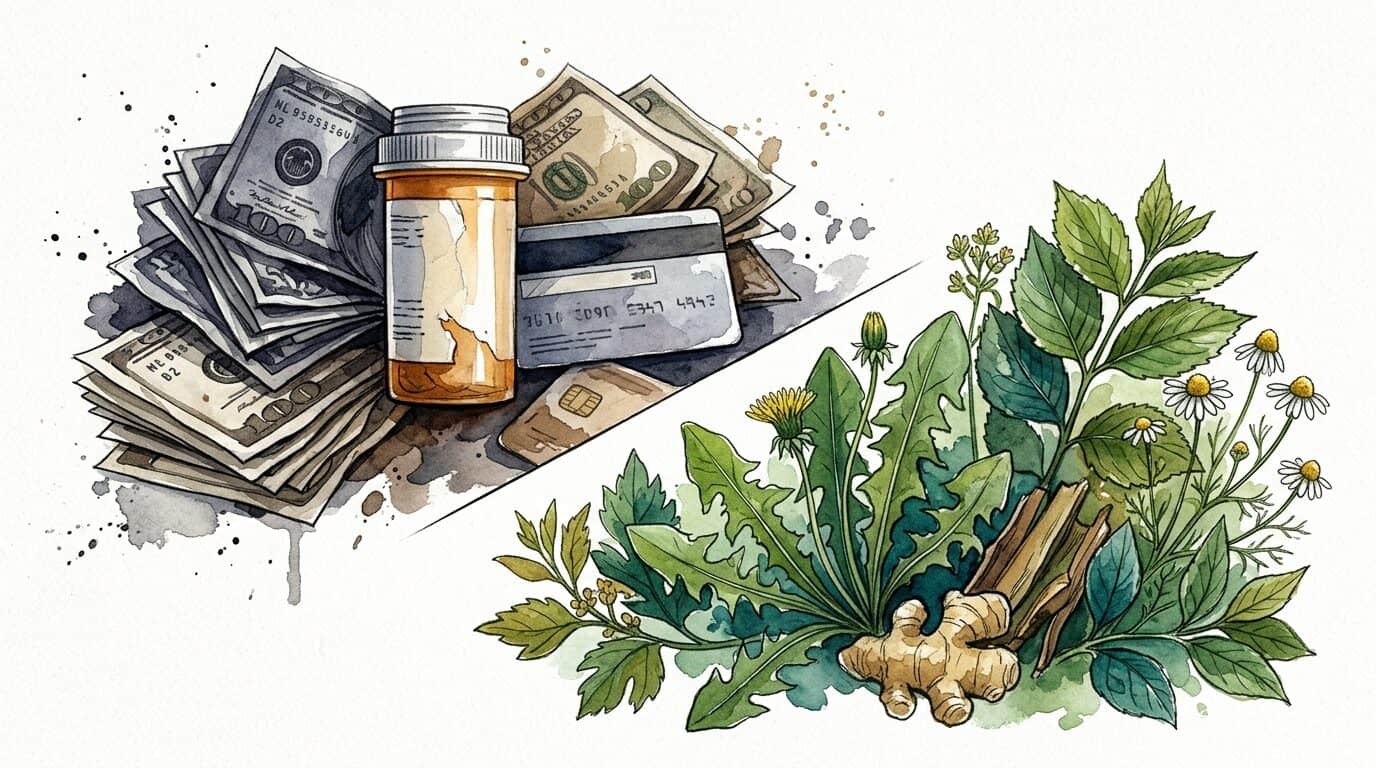
Most of us have been conditioned to look at our lawns as something to be tamed and our medicine cabinets as something to be stocked by a corporation. This mindset creates a cycle of dependency that drains your wallet and ignores the biological wisdom of the land. The ground beneath your feet is not just dirt; it is a pharmacy waiting for a knowledgeable steward.
Modern living has accelerated the prevalence of acid reflux and general digestive discomfort. Stress, processed diets, and sedentary lifestyles have made antacids a multi-billion dollar industry. Reclaiming your health starts with recognizing that nature often provides the antidote exactly where the problem is most felt.
Learning to identify and use wild plants is more than a survival skill. It is an act of defiance against a system that profits from your chronic discomfort. This guide will walk you through the process of turning a common garden inhabitant into a potent, soothing remedy for the fire in your chest.
How To Cure Heartburn For Free With Foraging
Heartburn occurs when stomach acid moves back up into the esophagus, causing a burning sensation and potential tissue damage. Traditional “solutions” often involve suppressing acid production, which can lead to long-term digestive issues. Foraging offers a different path: using demulcent plants to protect and soothe the lining of the digestive tract.
Chickweed, known scientifically as Stellaria media, is the primary hero in this story. It is a low-growing, succulent annual that thrives in the cool, moist conditions of spring and autumn. You have likely pulled it out of your flower beds or seen it carpeting the shaded areas of your yard without realizing its value.
This plant is rich in mucilage, a gel-like substance that acts as a physical barrier. When you ingest chickweed, this mucilage coats the irritated tissues of your throat and stomach. It provides immediate cooling relief while the plant’s minerals work to support overall digestive function.
The concept is simple: instead of neutralizing acid or stopping its production, we are protecting the body’s hardware. We use the plant’s natural defensive fluids to augment our own mucosal lining. This is a restorative approach rather than a suppressive one.
The Botany of Relief
Chickweed is a master of moisture. Its leaves are small, oval, and slightly pointed, growing in opposite pairs along a delicate, watery stem. The plant stays close to the earth, creating a lush green mat that feels cool to the touch even on a warm day.
One of its most distinctive features is a single line of tiny hairs that runs up the stem. This line of hair shifts position at every node where a pair of leaves attaches. This is a critical identification marker that separates true chickweed from lookalikes.
The flowers are tiny, white, and star-shaped. They have five petals, but each petal is deeply lobed, making it look like there are ten petals. This delicate beauty belies a hardy plant that can even survive under a layer of light snow, providing medicine when most other plants are dormant.
How to Identify, Harvest, and Prepare Your Remedy
Success in foraging begins with 100% certainty in identification. Never ingest a plant unless you have verified its features through multiple sources. Chickweed is a beginner-friendly plant, but it still requires a disciplined eye.
Look for the “moist” look of the leaves. They should appear plump and vibrant green. If the plant looks woody or dry, it is past its prime for medicinal use. The best time to harvest is in the morning after the dew has dried but before the heat of the sun has stressed the plant.
Harvesting is straightforward. Use a pair of clean scissors to snip the top two or three inches of the plant. This allows the base of the plant to keep growing, ensuring a continuous supply throughout the season. Avoid harvesting from areas near busy roads or where chemical fertilizers and pesticides have been applied.
Step-by-Step Preparation Methods
Fresh is always best when it comes to chickweed. The mucilage is most active when the plant is vibrant and full of water. You can eat it raw in a salad, but for targeted heartburn relief, a liquid preparation is often more effective.
- The Fresh Infusion: Place a handful of fresh chickweed in a jar and cover it with hot (not boiling) water. Let it steep for 15 to 20 minutes. The water will take on a mild, “green” flavor similar to corn silk or spinach. Drink this slowly when you feel the first signs of reflux.
- The Cold Infusion: For a more mucilaginous extract, place the fresh herb in room-temperature water and let it sit overnight. This method draws out the soothing gels without breaking them down with heat. This is often the preferred method for severe esophageal irritation.
- The Succus (Fresh Juice): Run a large amount of chickweed through a juicer or blend it with a small amount of water and strain it through a cloth. This concentrated juice can be taken by the tablespoon. It is a potent “liquid bandage” for the gut.
If you have an abundance of chickweed, you can freeze the juice in ice cube trays. Pop one cube into a glass of water whenever you need relief. This preserves the plant’s properties long after the growing season has ended.
Benefits of Choosing Wild Chickweed
The most immediate benefit is the cost. Pharmacy debt is a real burden for many families, and replacing a $30 bottle of pills with a free garden resource is a tangible win for your household budget. GARDEN ABUNDANCE is about more than just calories; it is about chemical independence.
Beyond the financial aspect, chickweed is nutritionally dense. It contains significant amounts of Vitamin C, Vitamin A, and minerals like magnesium, potassium, and calcium. Most commercial antacids use synthetic forms of calcium that can be difficult for the body to process; chickweed provides these elements in a highly bioavailable form.
Chickweed also possesses cooling properties that address the “heat” of inflammation. In traditional herbalism, heartburn is seen as an excess of heat in the upper digestive tract. Chickweed’s high water content and specific phytonutrients help to dissipate this heat rather than just masking the pain.
Using wild plants also encourages a deeper connection to your local environment. You begin to observe the seasons, the soil quality, and the weather patterns. This mindfulness is itself a remedy for the stress-induced triggers that often lead to digestive upset.
Challenges and Common Mistakes
The biggest challenge for new foragers is the “Lookalike Trap.” There are plants that mimic the growth habit of chickweed but do not share its healing properties. The most common is the Scarlet Pimpernel (Anagallis arvensis).
Scarlet Pimpernel looks similar when not in flower, but it lacks the single line of hairs on the stem. Its leaves are also more triangular and usually have small black dots on the undersides. While not deadly in small amounts, it can cause digestive upset—the exact opposite of what you want when treating heartburn.
Another mistake is harvesting from contaminated soil. Chickweed is a “dynamic accumulator,” meaning it is very good at pulling minerals (and toxins) out of the earth. If your soil contains heavy metals or chemical residues, the chickweed will concentrate them in its leaves. Always know the history of the land you are foraging.
Over-processing the herb is another pitfall. High heat can destroy the delicate enzymes and break down the mucilage that makes the plant effective. Always use “pioneer-grit” patience: let the water cool slightly before pouring it over your herbs, or stick to cold extractions for the best results.
Limitations and When to Seek Help
While chickweed is a powerful tool, it is not a magic wand for every situation. Chronic heartburn can sometimes indicate a more serious underlying condition, such as a hiatal hernia or a bacterial infection like H. pylori. If you find yourself needing chickweed multiple times every single day, it is time to investigate the root cause.
Environmental limitations also exist. Chickweed disappears when the summer heat hits. If you rely on it as your sole remedy, you will be left stranded in July and August unless you have preserved it as a tincture or frozen juice. Planning ahead is part of the transition from consumer to producer.
For individuals with specific allergies to the Caryophyllaceae (pink) family, chickweed could cause a reaction. Start with a very small amount to ensure your body accepts it. Pregnant and breastfeeding women should always consult a knowledgeable practitioner before introducing new wild herbs into their routine.
Foraged Relief vs. Commercial Antacids
Understanding the difference between wild medicine and commercial products helps you make better decisions for your long-term health. The following table highlights the key differences between these two approaches.
| Feature | Chickweed Infusion | Commercial Antacids |
|---|---|---|
| Cost | $0.00 (Free) | $10 – $40 per bottle |
| Mechanism | Coats and protects tissues | Neutralizes or blocks acid |
| Side Effects | Minimal / Nutrient boost | Potential nutrient malabsorption |
| Accessibility | Seasonal (Backyard) | Year-round (Store) |
| Skill Required | Identification & Preparation | Purchasing power |
Commercial antacids offer convenience, but they often come with a biological price. Long-term use of proton pump inhibitors (PPIs) has been linked to bone density issues and vitamin deficiencies. Choosing chickweed when possible reduces your “chemical load” and keeps your digestive system functioning as intended.
Practical Tips for the Modern Forager
If you want to maximize the efficiency of your foraging, you need to think like a steward. Encourage chickweed to grow in specific areas of your garden by leaving the soil undisturbed in the fall. It loves the nitrogen-rich soil of vegetable patches, so let it act as a living mulch over the winter.
When preparing tea, use a covered vessel. This prevents volatile oils and steam from escaping, keeping the medicinal properties in the water where they belong. A simple mason jar with a lid works perfectly for this purpose.
- Sip, don’t gulp: To coat the esophagus effectively, take small sips of the infusion over the course of 30 minutes. This allows the mucilage to maintain contact with the irritated areas.
- Combine for power: If you have access to other herbs like Marshmallow root or Slippery Elm (though these are often harder to find for free), you can mix them with chickweed for an even stronger demulcent effect.
- Monitor your pH: While chickweed soothes the symptoms, check your hydration and salt intake. Often, what we perceive as “too much acid” is actually a lack of protective bicarbonate in the body, which requires proper mineral balance.
Always clean your harvest thoroughly. Even if you don’t use chemicals, wild plants can host small insects or bits of soil. A quick rinse in cool water is all it takes to prepare the plant for consumption or extraction.
Advanced Considerations: Tinctures and Glycerites
For those who want to take their herbal medicine to the next level, shelf-stable preparations are necessary. A fresh chickweed tincture can be made by macerating the herb in high-proof alcohol. While alcohol can be irritating to some people with heartburn, a tincture allows you to carry the medicine in your pocket for emergencies.
A better alternative for digestive issues is a glycerite. This uses vegetable glycerin instead of alcohol. Glycerin is naturally sweet and has its own demulcent properties, which complements the chickweed perfectly. This is an ideal preparation for children or those who find tea inconvenient while at work.
To make a glycerite, fill a jar half-full with chopped fresh chickweed. Fill the jar with a mixture of 75% glycerin and 25% distilled water. Let it sit in a cool, dark place for four to six weeks, shaking daily. Strain it through a fine cloth, and you have a potent, sweet syrup that lasts for over a year.
Soil Health and Medicinal Potency
The strength of your medicine is directly tied to the health of your soil. Chickweed growing in compacted, depleted clay will not have the same mineral profile as chickweed growing in rich, aerobic compost. If you are serious about using foraged plants for health, you must also be serious about soil regeneration.
Adding organic matter to your “medicinal patches” will result in lusher, more succulent plants. This is the essence of being a producer. You aren’t just taking from the land; you are participating in a cycle that increases the vitality of both the plant and the person who consumes it.
Scenario: A Morning of Natural Recovery
Imagine waking up with that familiar, acidic tang in the back of your throat after a heavy meal the night before. Instead of reaching for a plastic bottle of chalky tablets, you step out into your backyard in your slippers. The morning air is cool, and the dew is still on the grass.
You find a vibrant patch of chickweed nestled near the base of an old stone wall. You snip a few handfuls of the tender tops, noticing the tiny white flowers just beginning to open. Back in the kitchen, you rinse the herbs and place them in a jar, pouring warm water over them as the kettle begins to whistle.
By the time you have finished getting ready for the day, the infusion is a pale green. You sip it slowly while you pack your lunch. By the time you reach the bottom of the jar, the burning sensation in your chest has faded into a cool, calm baseline. You have treated your body with respect and saved money in the process.
This is not a hypothetical dream; it is the reality for thousands of people who have reclaimed their ancestral knowledge. It turns a “problem” (weeds in the garden) into a “solution” (medicine in the cup). This shift in perspective is the most powerful tool you have for 2026 and beyond.
Final Thoughts
Heartburn is often a signal from the body that it is out of balance, stressed, or under-protected. While modern medicine focuses on silencing that signal through chemical suppression, foraging allows us to respond with nourishment and protection. Chickweed is a humble teacher that reminds us that the best remedies are often the ones we’ve been trying to pull out and throw away.
Embracing the abundance of your own backyard requires a shift in priorities. It takes time to learn the plants, and it takes effort to prepare the remedies. However, the reward is a level of health sovereignty that no pharmacy can provide. You become less of a dependent consumer and more of a resilient participant in your own well-being.
Start small. Find one patch of chickweed. Verify it, taste it, and see how it feels. Once you experience the cooling relief of a fresh infusion, you will never look at your “weeds” the same way again. The path from pharmacy debt to garden abundance is right outside your door, growing quietly in the shade.